Gluten-Free Japanese Tonjiru
By the Gluten Free Recipes team ·
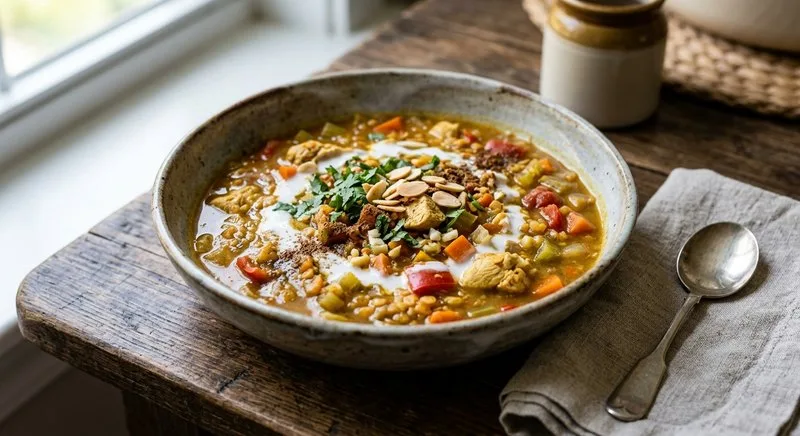
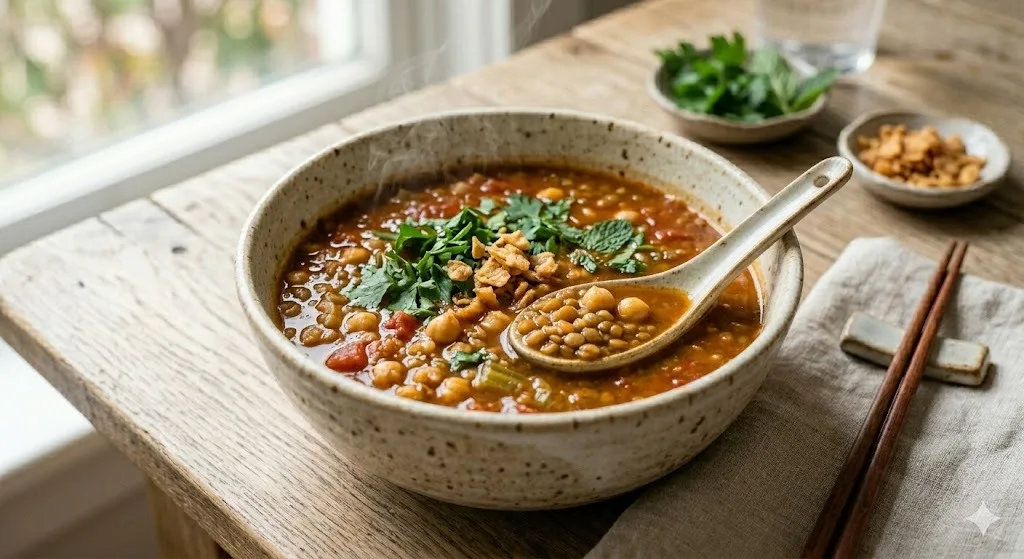
This hearty and warming gluten-free Japanese Tonjiru is a flavorful pork and vegetable soup, rich with umami and tender textures. It's a comforting bowl perfect for any season, offering a satisfying depth of flavor without any gluten.
At a glance: This medium soups and stews recipe yields 4 servings in about 1h 5m (20 min prep, 45 min cook). It uses 12 ingredients — including certified gluten-free pork or vegetable stock, pork shoulder, onion — and walks through 5 steps. Updated . Browse more soups and stews recipes or return to all gluten-free recipes.

Cross-Contamination Warning for Gluten-Free Japanese Tonjiru: When preparing this soups and stews recipe, exercise caution with all packaged ingredients, especially broths, miso paste, and gluten-free tamari/tamari, to ensure they are certified gluten-free. Cross-contamination can occur during manufacturing, so always check labels carefully to avoid any trace of gluten In a shared kitchen, avoid porous materials — wooden spoons, wooden cutting boards, and scratched non-stick pans can harbor gluten proteins even after washing. Prefer glass, metal, or silicone tools. Miso paste can be barley-based (mugi miso) — use only rice or soy miso labelled certified gluten-free. Stock often contains yeast extract or barley derivatives; use only certified gluten-free stock.
Gluten-Free Notes for Gluten-Free Japanese Tonjiru: This recipe is naturally gluten-free by using certified gluten-free stock and avoiding any gluten-containing grains or ingredients. Miso and gluten-free tamari are specifically chosen for their gluten-free status.
Ingredients
- 6 cups certified gluten-free pork or vegetable stock
- 1 lb pork shoulder, cut into 1-inch cubes
- 1 large onion, chopped
- 2 medium carrots, peeled and sliced
- 2 medium daikon radishes, peeled and sliced
- 2 medium potatoes, peeled and cubed
- 2 cloves garlic, minced
- 2 tbsp vegetable oil
- 2 tbsp gluten-free miso paste (red or white)
- 1 tbsp gluten-free soy sauce or tamari
- 1 tsp salt and pepper to taste
- 1/4 cup chopped scallions, for garnish
Instructions
- 1
Heat the vegetable oil in a large, heavy-bottomed pot or Dutch oven over medium-high heat. Add the cubed pork shoulder and sear it on all sides until nicely browned, about 5-7 minutes. This browning develops a rich flavor base for the soup.
- 2
Add the chopped onion, minced garlic, sliced carrots, and daikon radishes to the pot. Sauté the vegetables with the pork for about 5-7 minutes, stirring occasionally, until the onions become translucent and fragrant.
- 3
Pour in the certified gluten-free pork or vegetable stock, ensuring it covers the pork and vegetables. Bring the liquid to a rolling boil, then reduce the heat to low, cover the pot, and let it simmer gently for at least 30 minutes, or until the pork is tender and the vegetables are cooked through.
- 4
Stir in the cubed potatoes and continue to simmer, covered, for another 15-20 minutes, or until the potatoes are fork-tender and have absorbed some of the broth's flavor. The soup should have a comforting aroma at this stage.
- 5
In a small bowl, whisk together the gluten-free miso paste and gluten-free soy sauce or tamari with a ladleful of the hot broth until smooth. Stir this mixture back into the soup. Do not boil the soup after adding miso, as this can diminish its flavor and beneficial properties. Season with salt and pepper to taste, and garnish with chopped scallions before serving.
Nutrition (per serving)
Tips & Notes
- Pre-shredded bagged carrots are drier and choppier — they won't give the same moist crumb.
- Roasted garlic (400°F, 30–40 min in foil) gives a sweet, mellow flavor ideal for soups and sauces.
- Refrigerating onions for 15 minutes before cutting reduces the compounds that cause eye irritation.
Learn More
Celiac-safe recipe development and testing since 2026
Our team develops and tests every recipe to be 100% gluten-free, verifying ingredients, techniques, and cross-contamination risks. We focus on making gluten-free cooking as delicious and accessible as possible. Learn more about us.